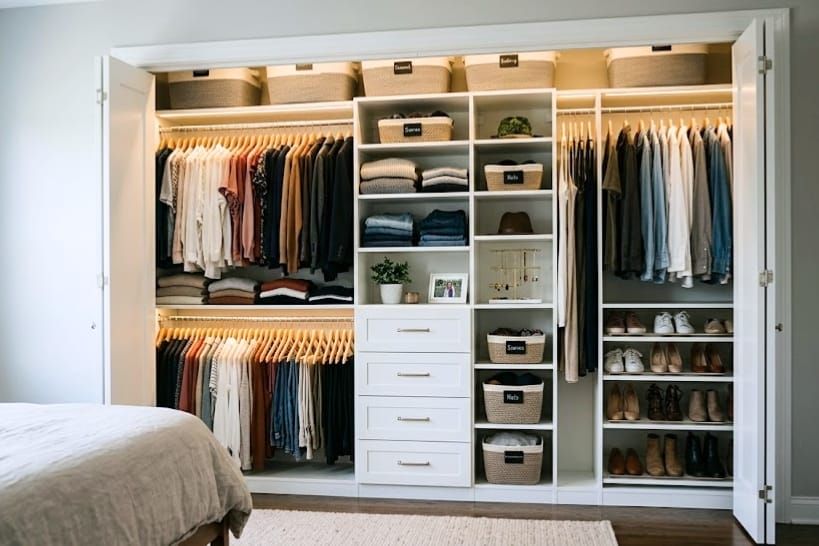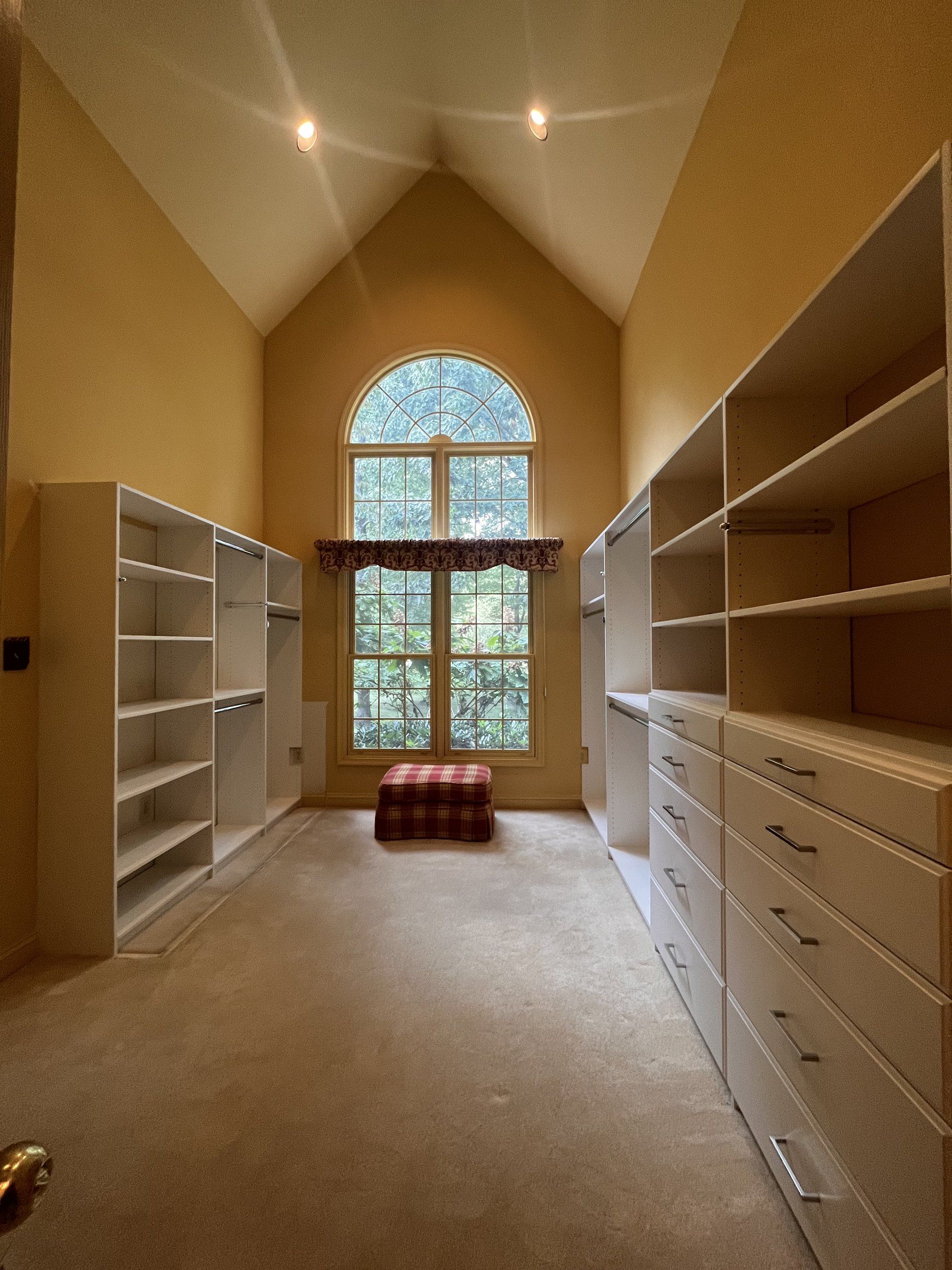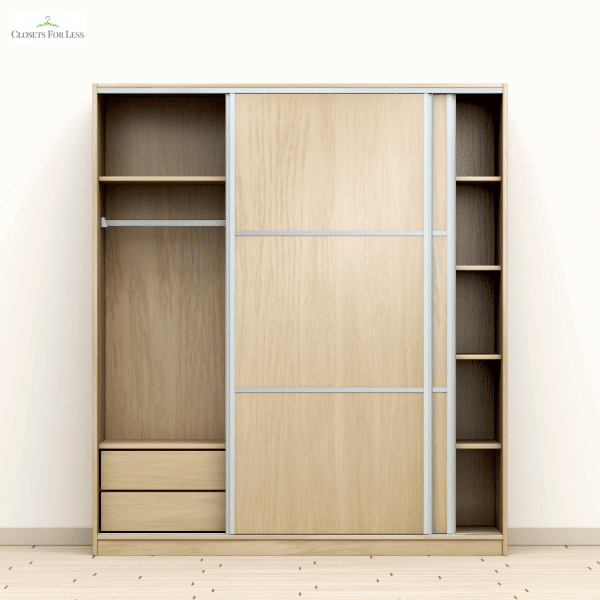
To maximize closet space with little hanging room, declutter first, then add a second rod to double-hang shirts and pants, switch to slim hangers, and move folded and seasonal items onto shelves above and bins below the clothes. The door, side walls and floor give you the rest. These seven steps work in almost any small reach-in closet.
If you’re trying to maximize space in a small reach-in closet, the right system can make everyday routines faster and more organized. This guide walks Bucks County homeowners through practical ways to create storage that actually works, from handling busy school mornings to storing bulky winter gear.
Before starting, gather a tape measure, notepad, slim hangers, bins, and labels. If you plan to drill, have a stud finder, level, and drill on hand as well. Busy households need dedicated zones, from sports gear to work clothes, so plan for how the closet is actually used.
Map Your Space and Category Needs
To maximize closet space, start with five measurements: total width, depth, height, and current rod and shelf heights. Note door swings and fixtures to avoid obstructions.
Next, take a quick inventory by category, group long-hang, short-hang, foldables, shoes, and accessories. In Bucks County, set aside dedicated space for bulky winter coats and boots so they do not overwhelm the rest of your setup.
Organize your items into three functional zones:
- Daily: Eye level for frequent items.
- Weekly: Mid-level for occasional wear.
- Seasonal: Top shelves or back corners for rotated gear.
Decide whether you need more rods, shelves, or drawers. If adding drawers to your plan, confirm you have enough clearance to open them fully without blocking the path through your closet.
Declutter to Maximize Closet Space
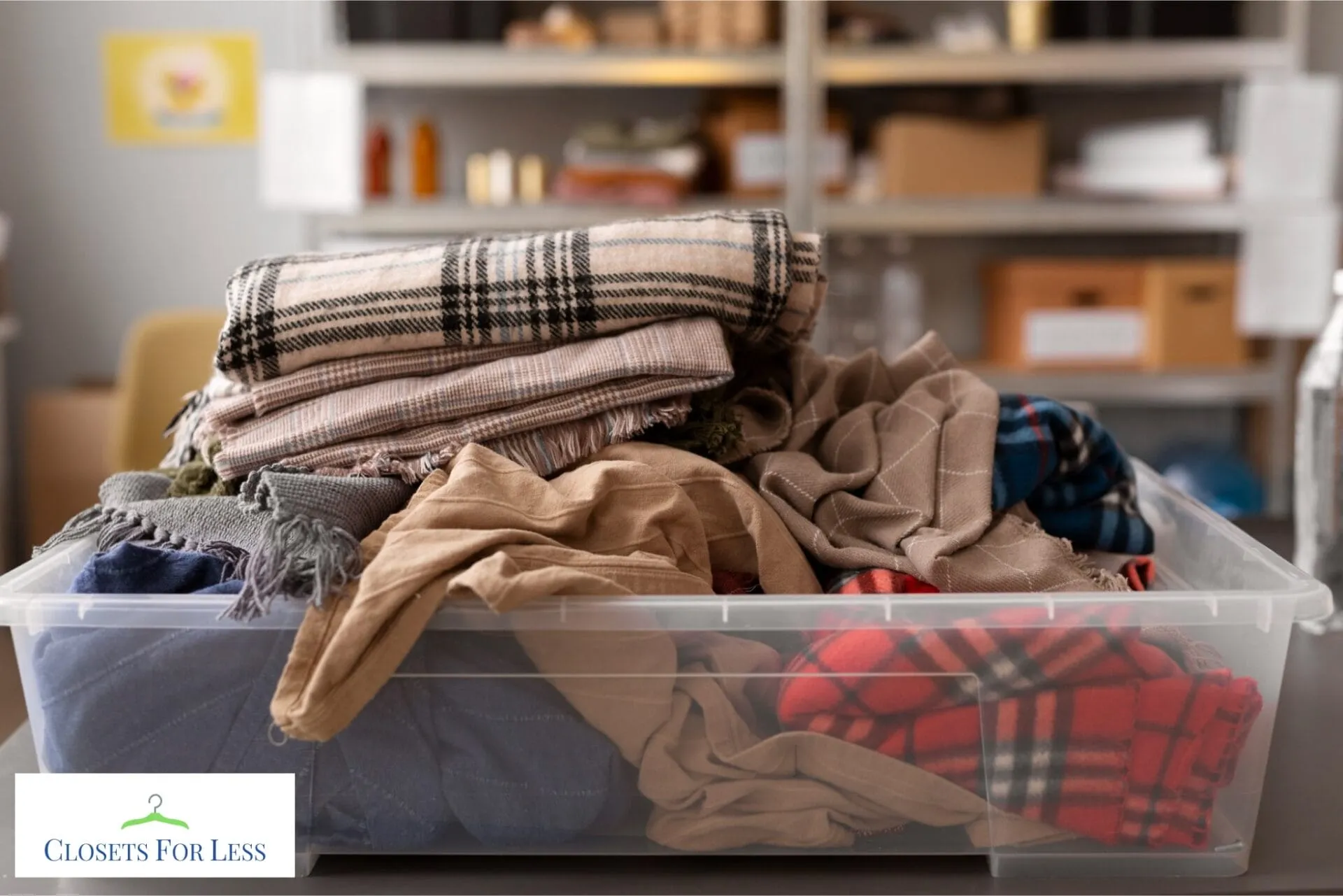
Reducing volume before reorganizing is the most important step. Moving clutter into bins without purging only creates prettier chaos. Use these closet organization tips to work through your space one section at a time:
- Empty one section at a time. Focus on the floor, one shelf, or one hanging segment to avoid fatigue.
- Use the three-basket method. Sort items into Keep, Donate/Sell, or Maybe.
- Apply the wear test. Remove anything not worn in 6 to 12 months. Make exceptions only for formalwear and true seasonal gear.
- Identify space hogs. Store heavy comforters, spare pillows, and tall boots separately to preserve high-value real estate.
Success means your closet holds only active items and labeled seasonal bins. Next, upgrade the hanging space.
Reconfigure Hanging Space to Maximize Vertical Capacity
One of the fastest ways to maximize closet space is upgrading your hanging system. Switching to slim, non-slip hangers frees noticeable rod space compared with bulky plastic or wooden hangers. You can also eliminate wasted vertical space by adjusting your layout:
- Double-hang: Use top and bottom rods for shirts and pants.
- Single-hang: Keep a tall section for dresses and long coats.
Choose your installation method based on your situation:
- Renters: Add a heavy-duty tension rod or hanging organizers for a tool-free second level.
- Homeowners: Install an adjustable track system or mount a lower rod into wall studs.
Typical rod heights make the plan easier:
| Hanging section | Rod height from floor | What fits |
|---|---|---|
| Double hang, upper rod | About 80 to 84 inches | Shirts, blouses, jackets |
| Double hang, lower rod | About 40 to 42 inches | Folded pants, skirts, kids’ clothes |
| Single long hang | About 66 to 70 inches | Dresses, long coats, robes |
If the closet has a single rod with a shelf above it, raising both and adding a lower rod is often the biggest gain available. Cascading hooks and rod extenders are a no-drill version of the same idea for lighter items.
Finally, hang items by frequency. Place daily clothes in the center and seasonal wear at the edges. For a deeper look at optimizing narrow reach-ins, our small-home storage solutions guide covers specific layouts for tight spaces.
Use the Space Above and Below Hanging Clothes
When the rod is full, the space above and below it is where the extra capacity is.
- Above: Add a second shelf above the existing one, up to the ceiling, for off-season bins, spare bedding and luggage. Keep a step stool nearby so you actually use it.
- Below short-hang clothes: Fit a shoe rack, a slim set of drawers or labeled bins on the floor. A drawer unit here can replace a dresser in the bedroom.
- Below long-hang clothes: Keep it clear so dresses and coats do not drag, or use it for flat items like a shoe tray.
Organize Irregular and Bulky Storage Items
Irregular items, especially those that end up on the floor, can quickly break even the best system. Giving each category a defined space keeps your closet functional long-term.
Reserve the top shelf for seasonal gear. Use labeled bins, shelf dividers, or cube organizers to prevent pile drift and keep stacks from toppling.
Address awkward categories with these steps:
- Tall boots: Use boot shapers or a vertical rack to keep them upright and prevent crushing.
- Bulky bedding: Compress comforters in vacuum bags and store only one extra set per bed in the closet.
- Winter coats: Assign heavy coats to a dedicated long-hang segment so they do not crowd daily clothes.
Keep the floor intentional with a custom shoe closet zone or a single narrow bin. Clearing mixed piles off the floor keeps the space accessible and usable.
Optimize Door and Wall Surfaces for Better Visibility
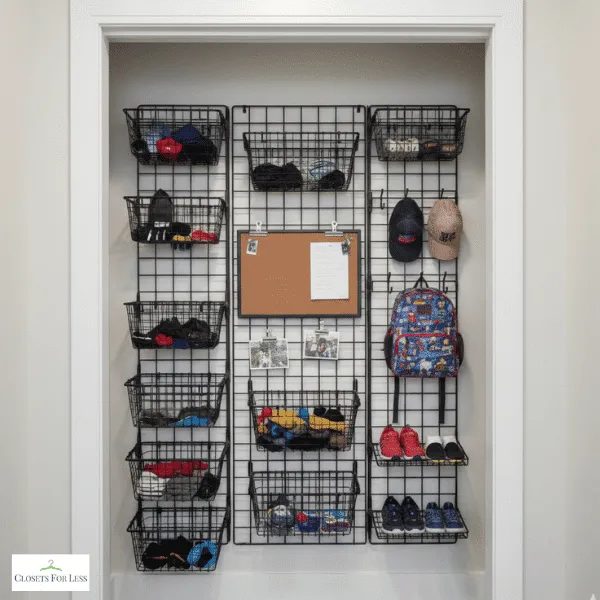
The inside of your closet door and unused wall sections are prime storage real estate. Using these surfaces puts high-frequency items within reach without taking up rod or floor space.
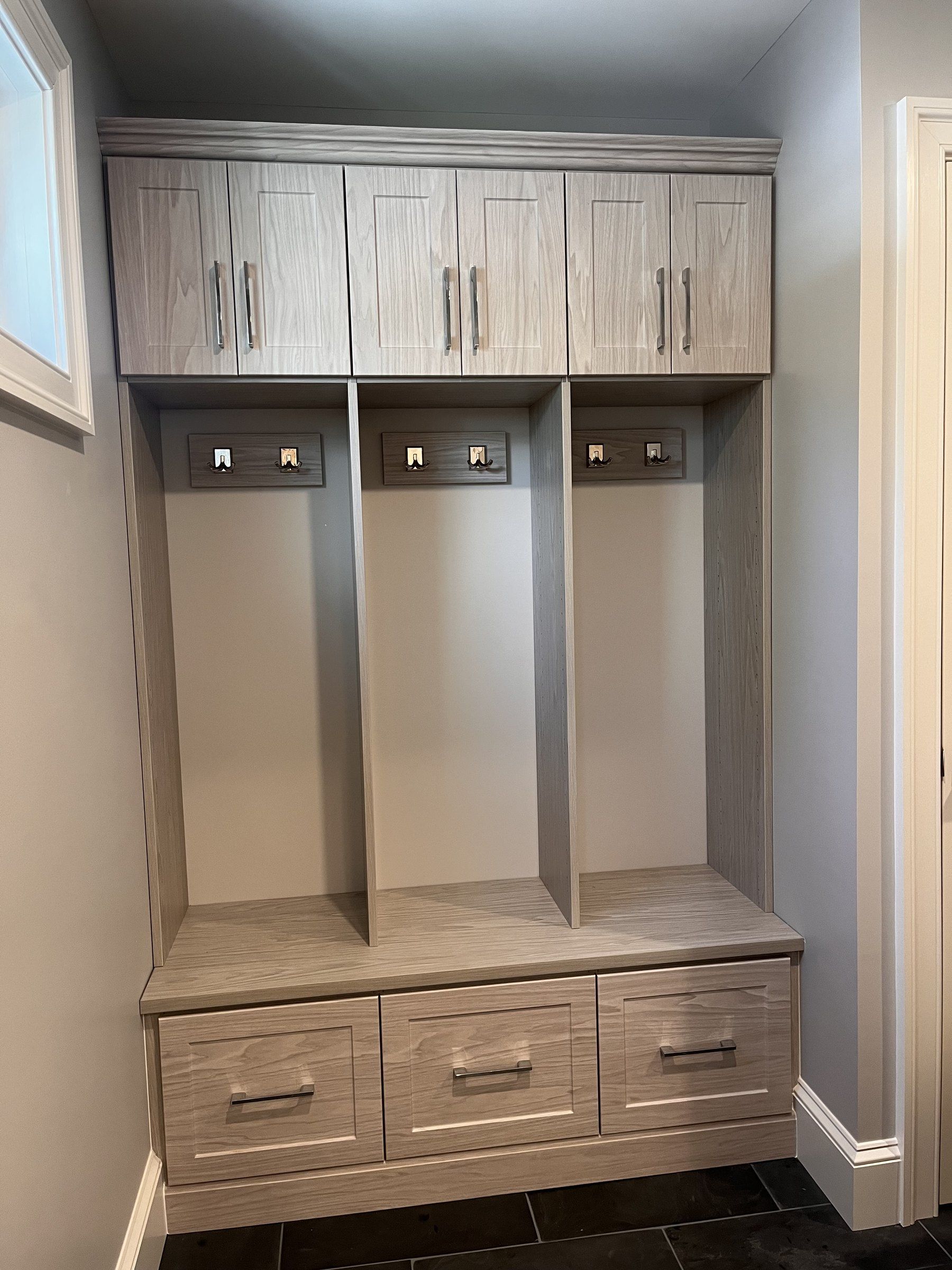
- Install over-the-door organizers with clear pockets for shoes, accessories, or cleaning supplies.
- Mount sturdy wall hooks for bags and belts, and add narrow wire baskets for quick-grab items like lint rollers or umbrellas.
- Add motion-sensor LED lighting to the front or top of the closet frame. Placing lights here reduces shadowing over hanging clothes.
Verification: You should be able to identify any daily item in under 10 seconds without pulling out stacks. If the closet stays overstuffed after these changes, a higher-capacity modular system or a professional custom design may be the right next step.
Choose a Long-Term Upgrade and Maintenance Plan
Select an upgrade path based on your budget, timeline, and load needs. Permanent systems require drilling into wall studs but offer the best stability for heavy stacks. Compare your options:
- Budget Upgrades: Hangers, bins, and over-door storage for quick fixes.
- Modular DIY: IKEA-style kits that require precise measuring.
- Retail Installed: Premium, adjustable systems for growing families.
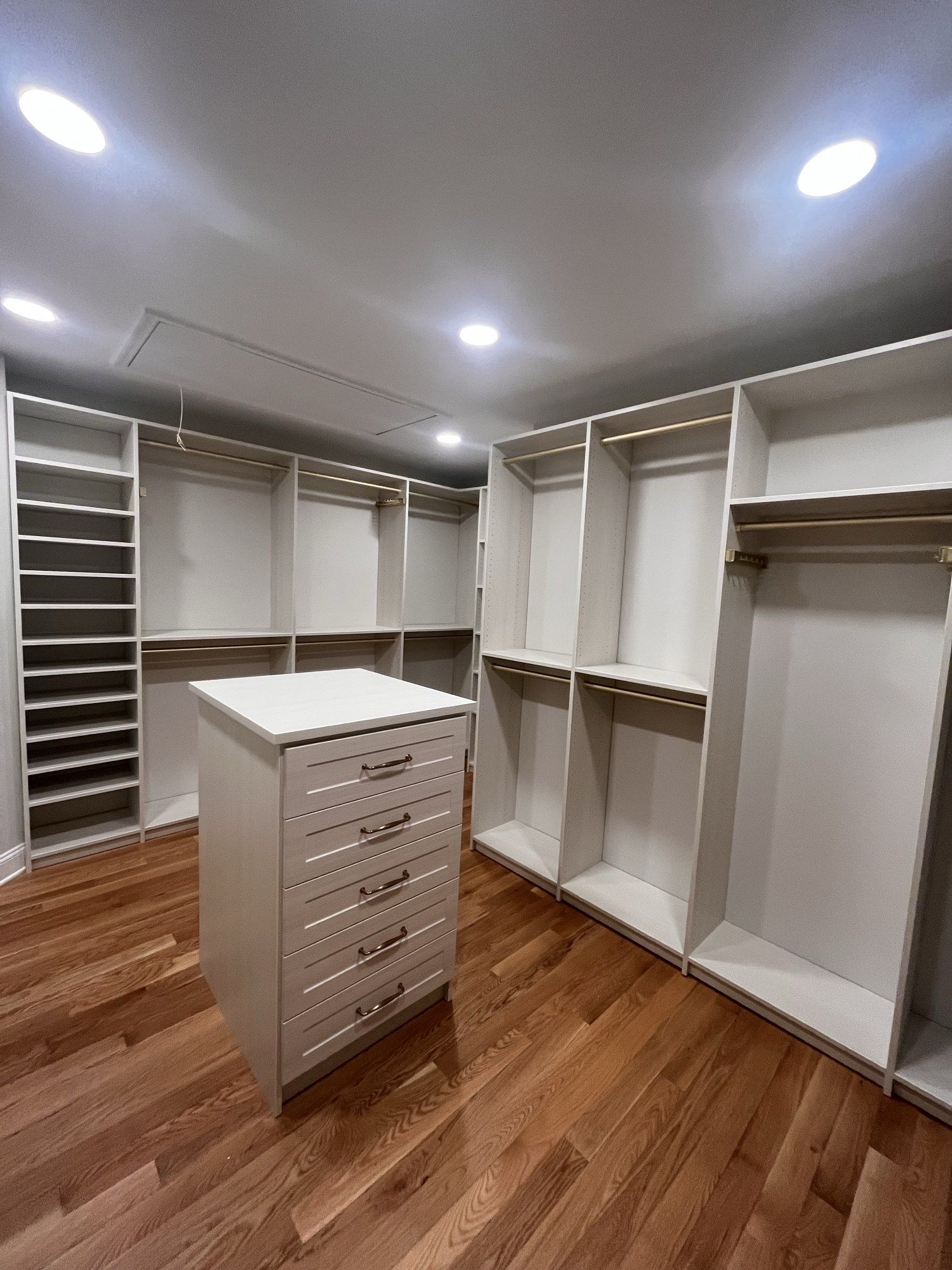
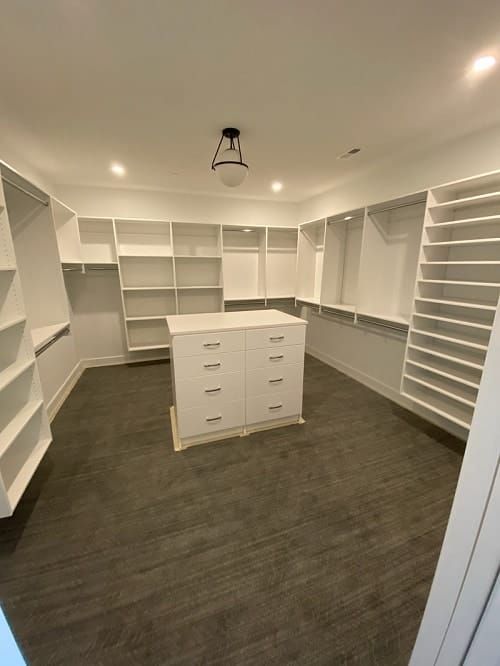
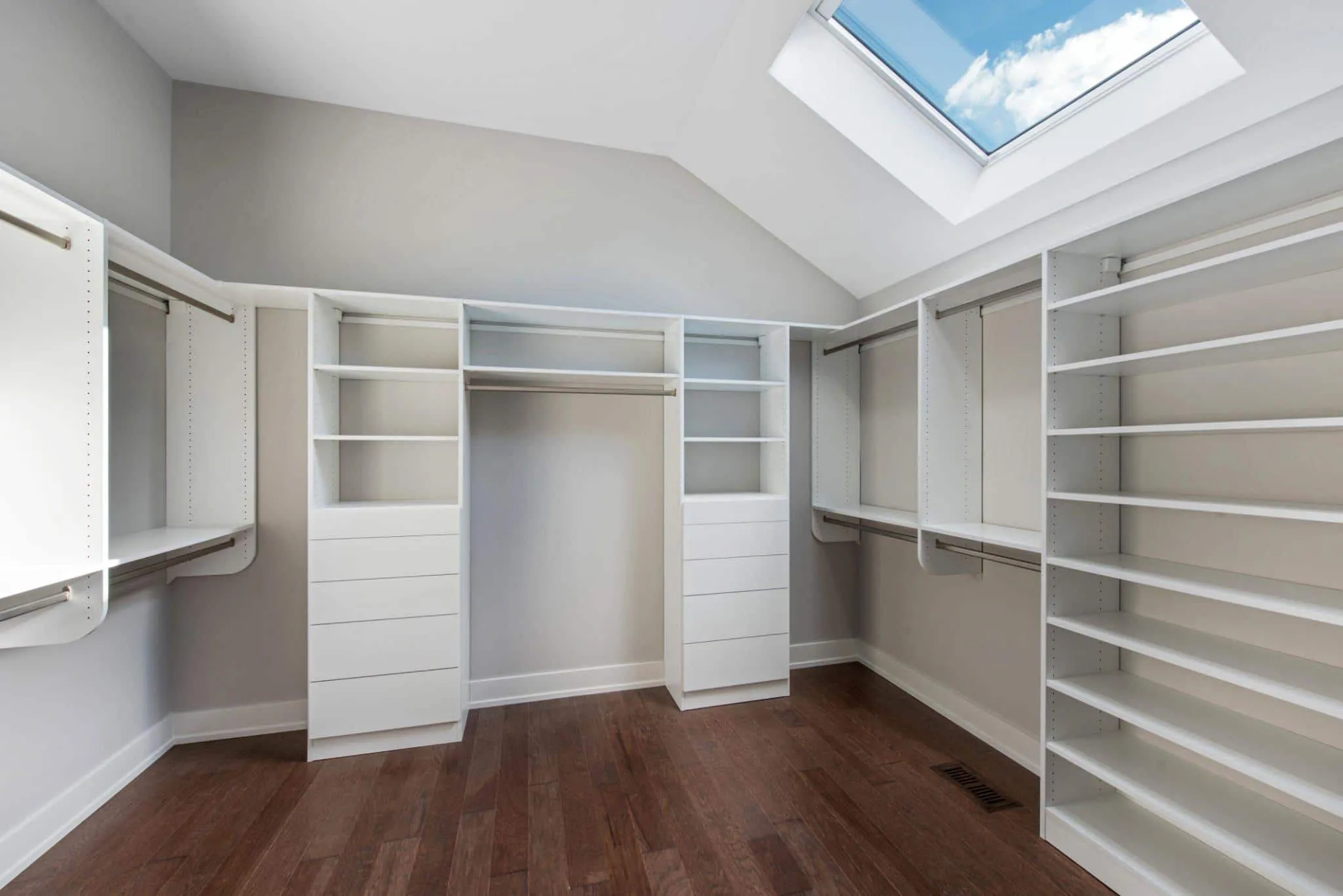
- Custom Design: Suits odd dimensions, sloped ceilings and integrated drawer layouts that replace bulky dressers.
If you go the custom route, Closets For Less designs reach-in closets around the space you have, starting with a free in-home design consultation. Our custom closet cost guide explains what affects the price. To maintain results, do a quick 10-minute weekly reset and rotate seasonal items twice a year.