The best basement storage ideas combine a storage closet or shelving zone for bins, built-in cabinets that hide clutter in finished areas, and moisture protection: sealed plastic bins, everything off the floor and away from exterior walls, and a dehumidifier. Plan zones by how often you need things, keep utilities clear, and label every bin.
Whether you’re dealing with humidity, limited space, or awkward layouts, the right strategy helps you create a system that protects your belongings and uses the space well. This guide walks you through a practical step-by-step process.
To get started, you will need:
- Measuring tape
- Contractor bags and donation boxes
- Gasket-sealed storage bins and labels
- A dehumidifier
Map Your Space and Identify Critical Constraints
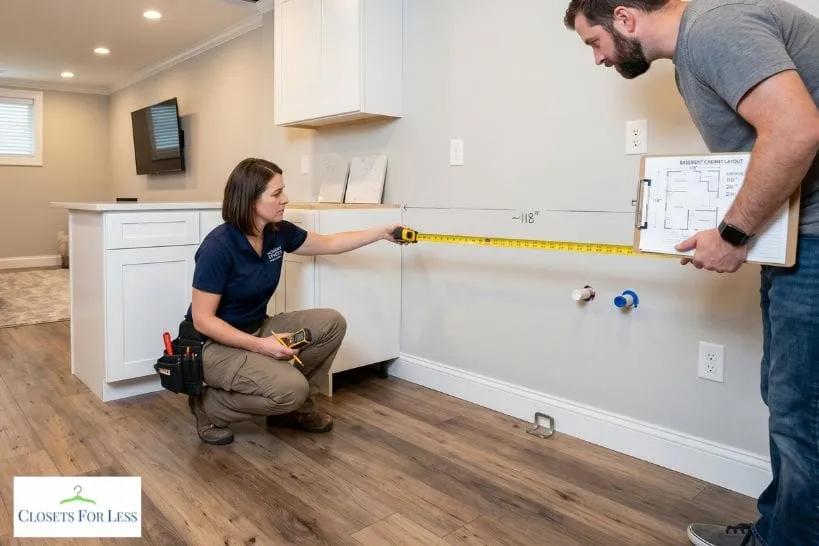
Before buying shelving or bins, perform a quick 10-minute site survey. This prevents you from blocking essential utilities or storing items in damp, unusable areas.
Identify Constraints
Walk the perimeter and mark locations for the sump pump, water heater, furnace, and electrical panel. Note support posts, low soffits, and bulkheads.
Establish Keep-Clear Zones
Keep clear space in front of the furnace, water heater and electrical panel (about 36 inches is a common rule for panels; follow the equipment manufacturer’s guidance). Never block exits, windows used for egress, or doorways.
Measure and Sketch
Record wall lengths, ceiling height, and usable depth. Identify dead zones under stairs or behind doors for custom storage.
Perform a Moisture Check
Look for musty odors, efflorescence (white powder), rust, or condensation on pipes.
CAUTION: If you find recurring damp spots, use only elevated, water-resistant storage solutions.
Success Criteria: You have a clear floor plan and a defined keep-clear zone for utilities.
Sort and Edit Your Inventory
Before organizing, group items into broad categories to avoid turning your basement into a dumping ground. This step alone can save hours of rearranging later.
Start by sorting everything into zones such as seasonal decor, tools, household backups, keepsakes, and furniture.
Apply a three-bin system to every item:
- Store in Basement: Durable items like holiday decor or sealed bins
- Store Elsewhere: Temperature-sensitive or valuable items
- Donate, Sell, or Trash: Broken, unused, or duplicate items
Define a simple “basement rule,” such as: “The basement is for seasonal and bulk storage only.”
Success Criteria: You can see the floor and estimate storage needs (for example, how many shelving units you need).
Protect Your Belongings From Moisture and Pests
Basement storage fails when items absorb humidity, grow mildew, or attract pests. Establish this protection baseline before organizing your space.
Keep items off the floor
Use plastic risers or pallet-style shelving to maintain at least 4 inches of clearance from the concrete. This protects against minor leaks and ground moisture.
Promote airflow
Position shelving units at least 3 inches away from exterior walls to prevent condensation buildup.
Eliminate cardboard
Cardboard wicks moisture and attracts silverfish. Switch to lidded plastic bins and never store open food.
Follow these container rules by item type:
- Paper and Photos: Place in inner folders, then gasket-sealed bins on top shelves.
- Fabrics: Store only clean, dry items in airtight bins.
- Electronics: Use sealed bins with silica desiccant packs away from sump pumps.
Success Criteria: All storage is elevated, sealed where needed, and properly spaced for airflow.
Design Functional Zones for a Multi-Purpose Basement
Think of your basement like a small warehouse. Map your floor plan into four zones based on access frequency:
- Long-term: Store keepsakes and archives in the furthest corners.
- Seasonal: Keep holiday decor and off-season gear in mid-depth areas.
- Frequent-access: Place tools, laundry supplies, and household backups near the stairs.
- Active living: Reserve well-lit, central sections for gyms, offices, or playrooms.
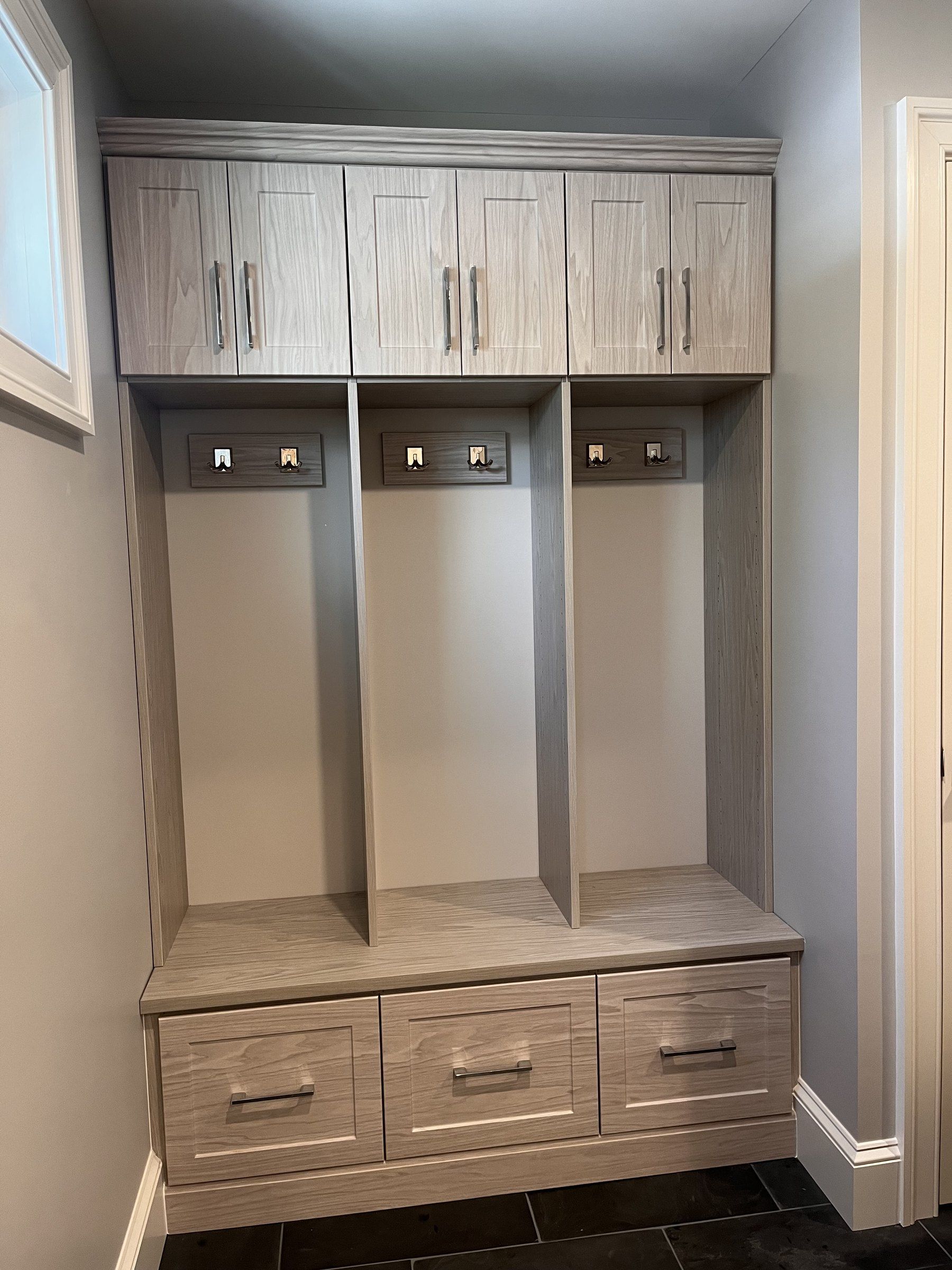
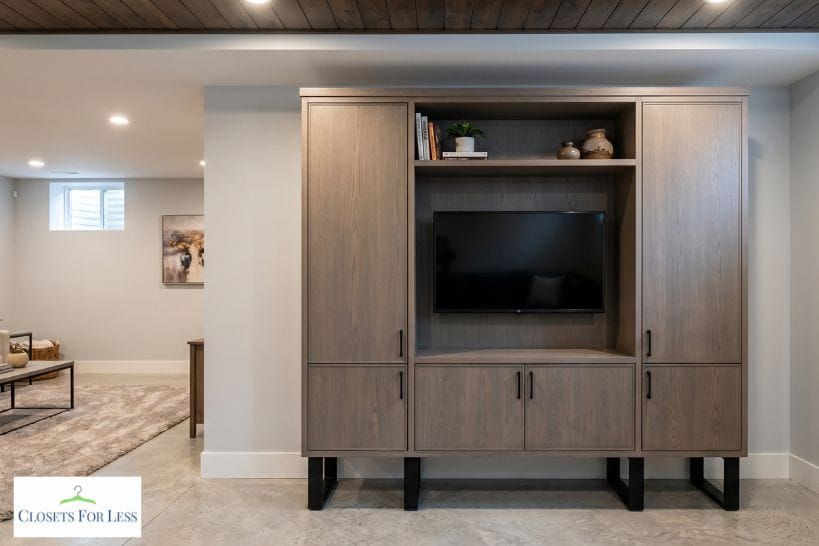
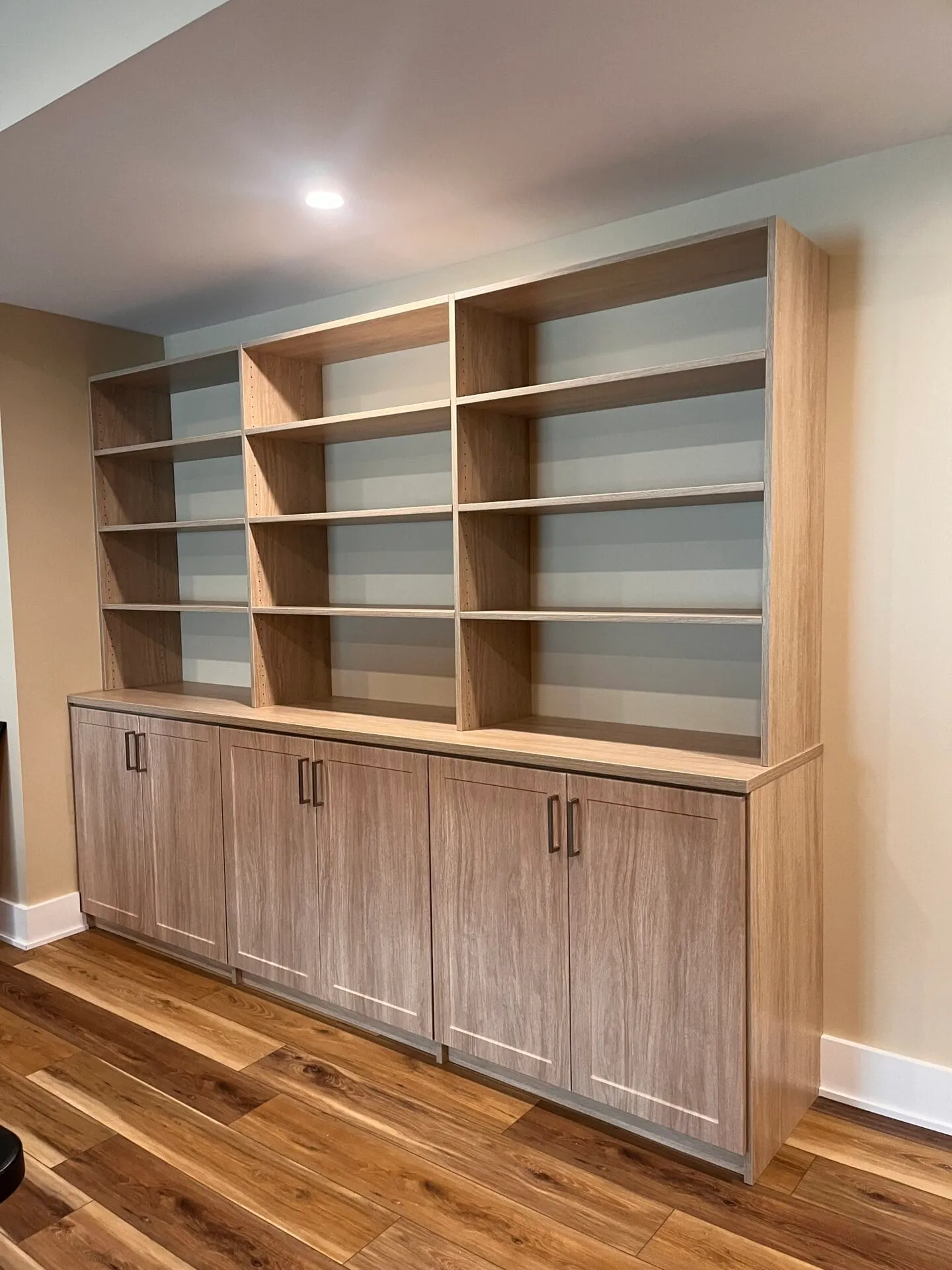
For finished basements, use closed cabinetry with clean lines to treat storage like furniture. Target invisible zones such as under-stairs closets, storage benches, or the wall behind a sectional.
When organizing a closet, choose between bulk shelving for bins or tall vertical clearance for vacuums and folding chairs.
Renters should use heavy-duty freestanding racks or tension-pole systems to avoid drilling into concrete. You have succeeded when every category has a designated home and a put-away path that avoids crossing through your active living space.
Related Article: Garage Closet Storage Ideas to Organize Your Garage
Basement Storage Closet Ideas
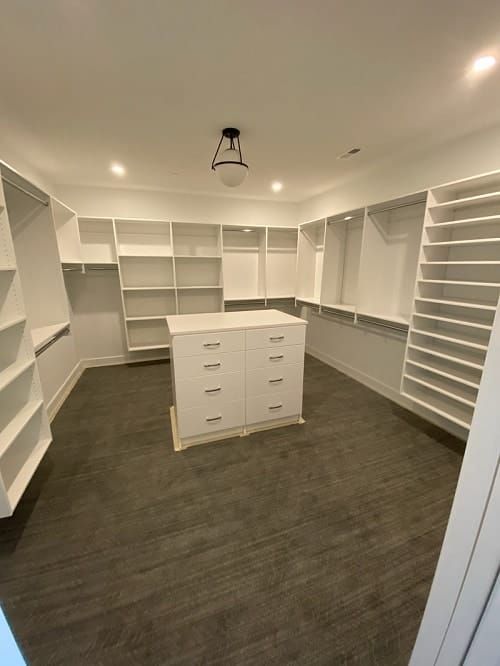
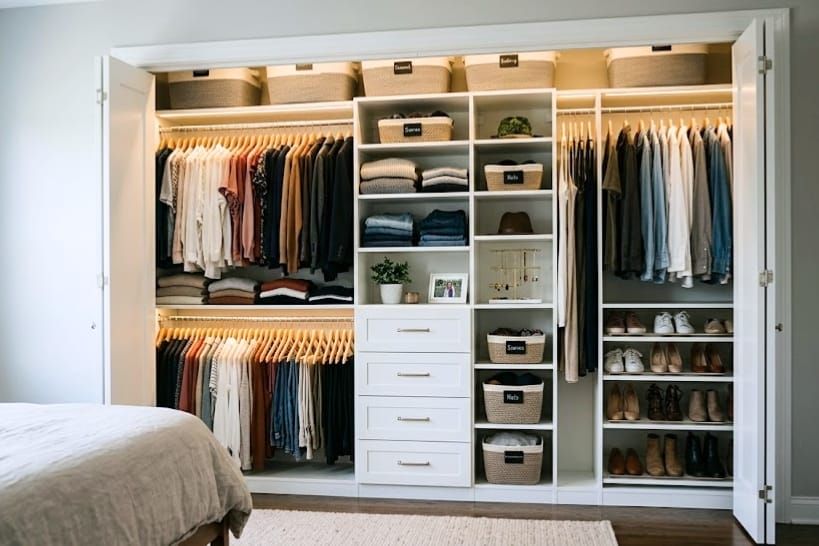
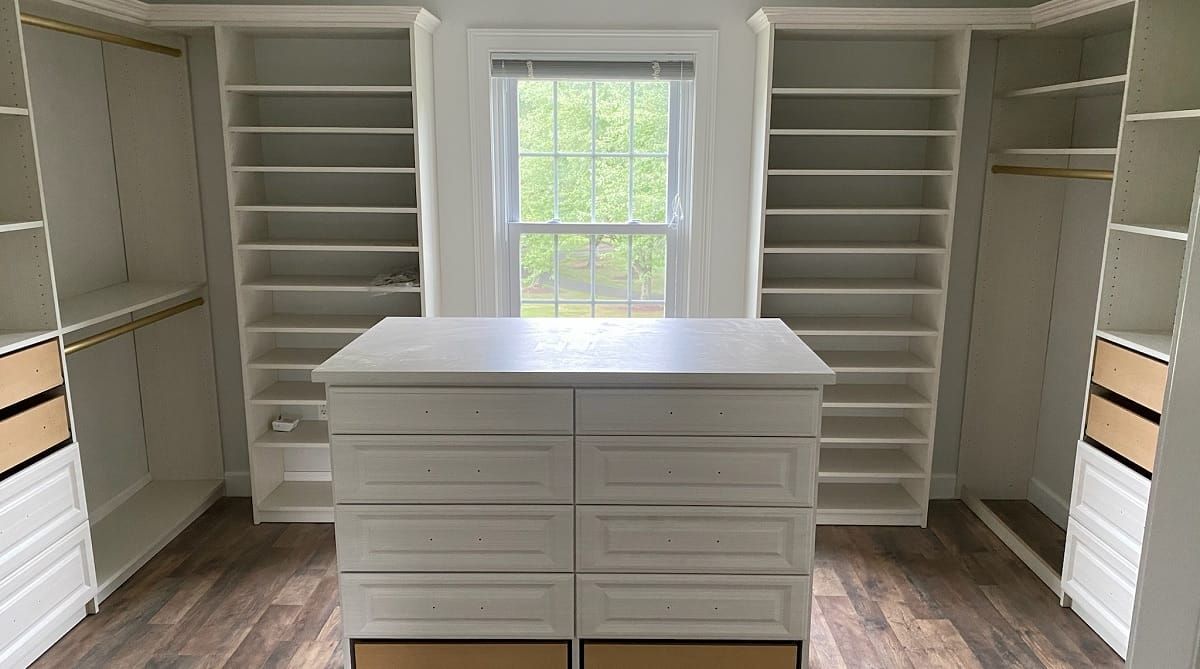
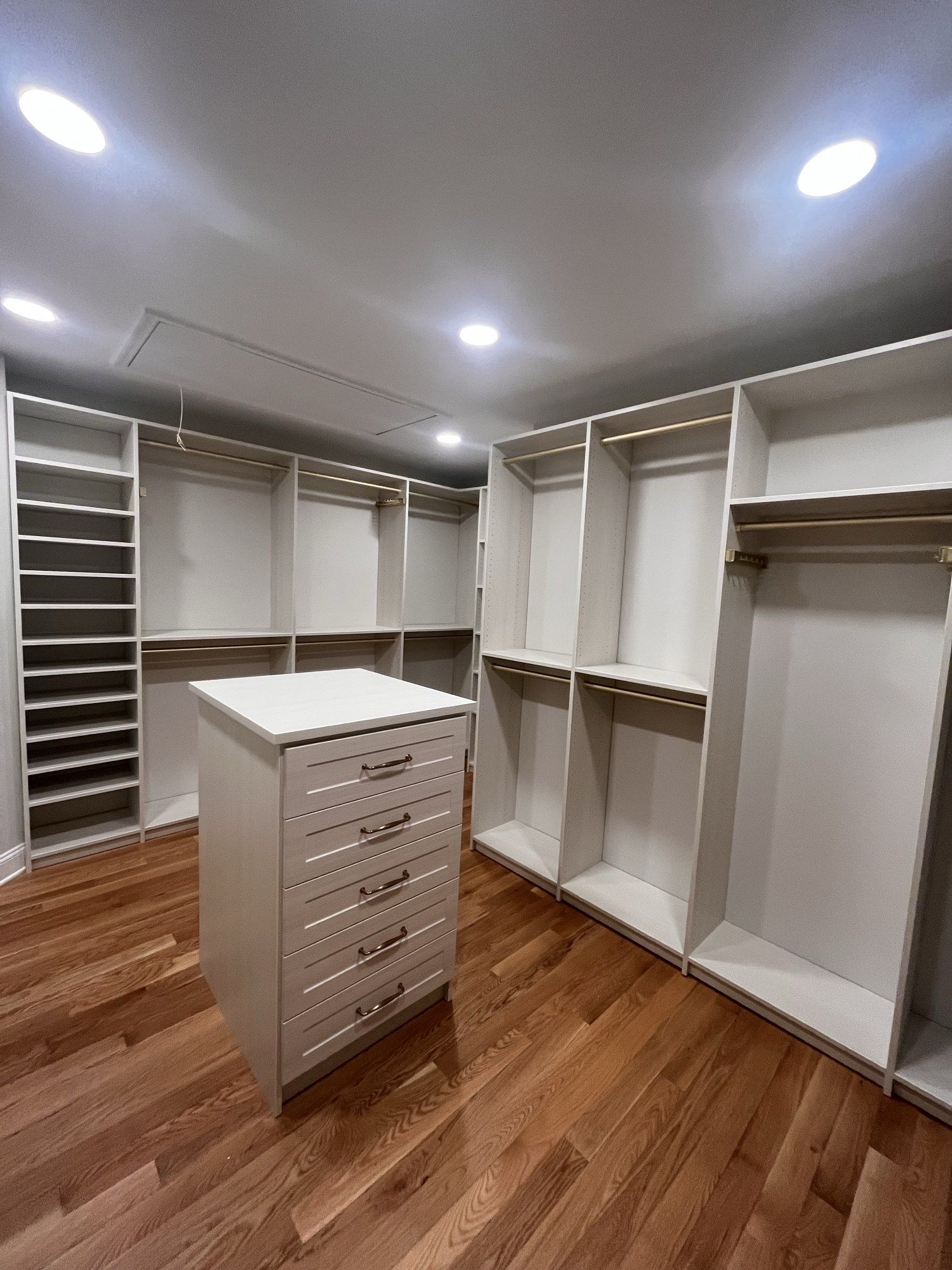
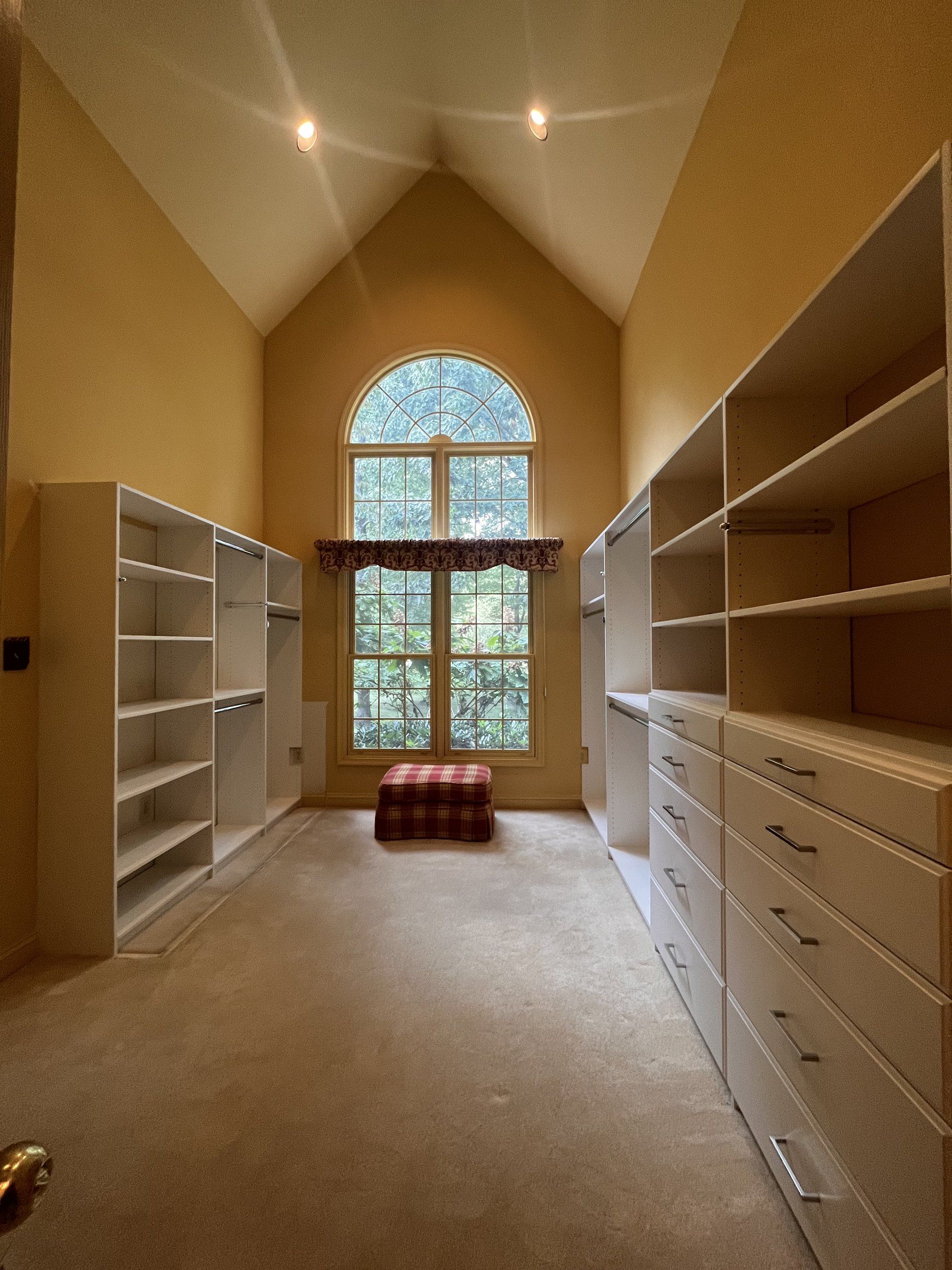
A dedicated storage closet keeps bins out of the living area and gives the basement one place for everything that is not in use.
- Enclose an unfinished corner. Frame a closet in a dry area away from the mechanicals and fit it with adjustable shelving for bins.
- Use the space under the stairs. Pull-out shelves or rolling bins reach the low end; taller items go where the ceiling is higher.
- Plan a tall section. Vacuums, folding chairs, a step ladder and wrapping paper rolls need vertical space, not shelves.
- Add a coat and guest closet. In a finished basement with a guest room or a walkout door, a closet near the stairs holds coats, spare bedding and luggage.
- Light it. A storage closet with one bulb at the door leaves the back corners unused.
Basement Built-In Storage Ideas
In a finished basement, built-ins make storage look like part of the room.
| Built-in | What it holds |
|---|---|
| TV wall cabinets and shelves | Media, games, controllers, books |
| Under-stair cabinets | Seasonal decor, sports gear, bulk supplies |
| Bench or window-seat drawers | Blankets, toys, board games |
| Hobby or craft wall | Supplies in drawers and closed cabinets |
| Home office built-ins | Files, printer, office supplies |
Closed doors on the lower cabinets hide clutter, while a few open shelves above keep the wall from looking heavy. See our home entertainment center and home office built-in pages for examples.
Select a Storage System Built for Stability and Access
Secure tall shelving units to wall studs to prevent tip-overs on sloping basement floors. Use a level to check for uneven concrete and shim the base if necessary. Always place the heaviest items at waist height or below to maintain a stable center of gravity.
Match your basement storage ideas to the specific zone:
- Metal Racks: Best for bulk bins in unfinished zones. They are adjustable but can rust if humidity stays high.
- Closed Cabinets: Ideal for finished areas to hide clutter and provide a polished, intentional look.
- Custom Shelving: Use these for awkward footprints under stairs or around support beams.
DIY plywood shelves are strong but require significant time and specialized tools. For a finished look, a custom system is another option; our custom closet cost guide explains what affects the price.
Implement a Smart Labeling and Inventory System
Use two or three bin sizes for stable stacking. Prioritize gasket-sealed lids to block moisture and pests. Use clear bins for high-frequency items and opaque bins in finished spaces to maintain visual calm.
- Label the top and two sides by category and subcategory (e.g., Holiday: Ornaments).
- Assign permanent zone numbers (A1, A2) to track bins without re-labeling.
- List bin numbers and specific contents in a mobile notes app or spreadsheet.
- Optional: Attach a QR code to each bin that scans directly to its digital inventory list.
Commit to a 10-minute monthly reset to confirm every container is in its assigned zone.
Putting It All Together
Smart basement storage ideas come down to four essentials: controlling moisture, creating zones, choosing the right shelving, and labeling consistently. When done right, your basement becomes a functional extension of your home, not just a storage space.
If you want built-in storage, Closets For Less designs and installs basement storage closets, cabinets and built-ins in Bucks County, Montgomery County and the Philadelphia area. The free in-home consultation is followed by a 3D design you can revise before anything is ordered. For smaller spaces, see our closet storage solutions for small homes.